
Addiction Recovery
The Empty Hours: Learning How to Live Without Numbing
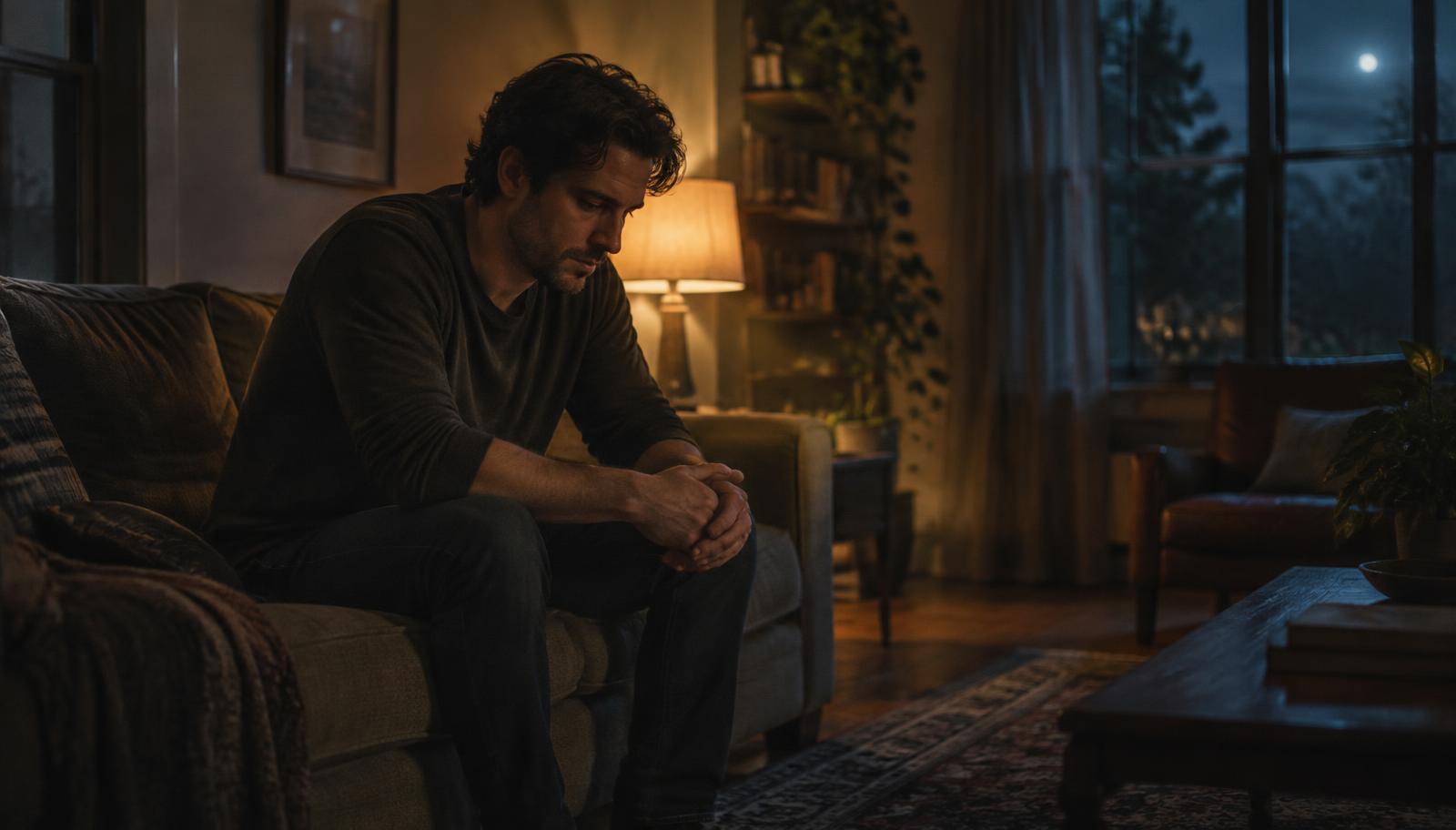
What to do with the time, restlessness, and feelings that used to be filled by the substance or behavior
Early recovery is often described in terms of what stops. The drinking stops. The using stops. The behavior stops. What people talk about less is what opens up in its place.
Hours. Long, exposed, unstructured hours.
The time between the end of work and sleep. Weekend afternoons. The moment you walk through the door. Late night, when the house is quiet and your thoughts are not. These hours were once occupied by preparation, use, recovery from use, or the anticipation of it. Now they are simply open, and the openness can feel unbearable in a way that surprises people who expected to feel proud.
Feeling restless, bored, irritable, or empty in early recovery does not mean recovery is failing. It often means the structure that organized your day has been removed, and nothing has been built there yet.
Numbing was doing several jobs at once
Substances and compulsive behaviors often serve more purposes than pleasure. They may have reduced anxiety, quieted intrusive memories, created sleep, provided a social world, marked the end of the workday, or made a painful life tolerable for a few hours.
When the substance leaves, all of those jobs become vacant at the same time. You are not only managing cravings. You may be facing grief, trauma memories, loneliness, boredom, physical discomfort, financial stress, and relationship damage without the thing that used to blunt them.
That is a great deal to ask of a person, and it explains why the empty hours can feel dangerous rather than peaceful.
Feelings return before skills do
Many people find that emotions come back with unexpected force. Sadness feels larger. Anger arrives quickly. Anxiety has no off switch. Some describe the opposite—flatness, where nothing feels particularly good, including things that used to.
Both experiences are common in early recovery. The brain and body are adjusting, and pleasure from ordinary activities may take time to return. Knowing this in advance can prevent a discouraging conclusion: if nothing feels good even now, what was the point?
The point is that this stage is not the destination. It is the part where the ground is being prepared.
Build structure before motivation
Waiting until you feel motivated to fill the empty hours usually does not work, because motivation tends to follow action rather than precede it. A simple, repeatable plan for the highest-risk windows is often more protective than a large, ambitious lifestyle change.
Identify the two or three times of day that are hardest. Then decide in advance—while you are steady—what happens during them. A walk at the same time each evening. A meeting. A phone call scheduled with someone safe. A task that occupies the hands. A short drive to a place that is not associated with use.
Specific plans reduce the number of decisions you must make in a vulnerable moment. In a craving, fewer decisions is safer.
Cravings are events, not verdicts
A craving can feel like proof that nothing has changed. It is more accurate to treat it as a wave: it rises, peaks, and passes, usually in minutes, though it may return.
Helpful responses are usually simple. Change location. Call or text someone. Eat something. Drink water. Move your body. Use cold water on your hands or face. Say out loud what is happening: this is a craving, and it will pass. Delay the decision for fifteen minutes and then reassess.
Noticing what preceded the craving is also useful—hunger, exhaustion, conflict, loneliness, a location, a person, pain, payday, a particular time of night. Patterns can be planned for.
Safety information that matters
Withdrawal can be medically dangerous. Stopping alcohol, benzodiazepines, or certain other substances suddenly can cause seizures and other life-threatening complications. Talk with a health care professional before stopping if you have been using heavily or daily. Medically supervised withdrawal is available and is not a sign of weakness.
Overdose risk rises after a period of not using. Tolerance decreases quickly. A previously usual amount can be fatal after time away, including after detox, hospitalization, or incarceration. If there is any chance of opioid exposure—including counterfeit pills or drugs contaminated with fentanyl—keep naloxone accessible, avoid using alone, and make sure someone can check on you. Naloxone is available without a prescription in the United States at many pharmacies.
In an emergency—unresponsiveness, slowed or stopped breathing, seizure, blue or gray lips or fingertips, severe confusion—call 911 immediately. Many states have laws that provide some protection for people who call for help during an overdose.
For treatment and support: the SAMHSA National Helpline is free, confidential, and available 24/7 at 1-800-662-4357. FindTreatment.gov can help locate services. For thoughts of suicide or a mental health crisis, call or text 988 in the United States.
Treatment options are broader than willpower
Recovery is not a test of character. Effective supports include counseling, outpatient and residential programs, peer support and mutual-aid groups, and medications for alcohol and opioid use disorder. Medication for opioid use disorder is associated with reduced risk of overdose death; using it is a legitimate form of recovery, not a substitute addiction.
Mental health conditions often exist alongside substance use. Treating only one can leave the other doing the same job the substance once did. Ask providers about care that addresses both.
Filling hours with something real
Eventually, empty hours need more than avoidance. They need content that means something to you: work with your hands, movement, music, faith community, cooking, service, learning, animals, creating, being with people who are safe.
Expect this to feel awkward at first. Enjoyment may be delayed. Choose activities for repeatability rather than intensity, and allow small things to count. A walked mile, a returned phone call, a made meal, and a night of sleep are recovery.
Relapse, if it happens, is not the end of your recovery and does not erase the time you built. It is information about what needs more support. Reach out quickly rather than waiting until things feel manageable again.
A GraceBridge Reflection
Think about yesterday, or a typical day this week.
- Which hour was the hardest, and what was happening right before it?
- What was the substance or behavior doing for me in that hour?
- What is one specific, realistic plan for that hour tomorrow?
- Who is one person I can contact before the craving, not only after it?
- What small thing, repeated, would make this week slightly steadier?
You are not trying to fill every hour perfectly. You are learning to be present in time that used to be spent escaping it.
Continue with recovery support
Explore the GraceBridge Addiction Recovery library for compassionate, research-informed education. You may also want to read What Are You Supposed to Do With the Pain When You Stop Numbing It?
A quiet moment
Reflect on what you just read
Share how you're feeling after reading The Empty Hours: Learning How to Live Without Numbing, and receive a few gentle journaling prompts drawn from this article. Nothing you write is saved.
AI-generated educational prompts, not counseling. If you are in crisis, call or text 988 (US).
Read next
Addiction Recovery
What Are You Supposed to Do With the Pain When You Stop Numbing It?
Sobriety can make everything louder. An educational look at experiential avoidance, distress tolerance, grief in recovery, and building a life with somewhere to put the pain.

Addiction Recovery
Recovery Is Changing: Why Rewards, Low-Barrier Care, and Whole-Person Treatment Are Gaining Ground
Contingency management, low-barrier access, and whole-person care are reshaping addiction treatment. An educational look at what is changing and why it matters.

Addiction Recovery
Who Are You Allowed to Become After You Have Hurt People?
On shame, responsibility, and self-forgiveness in addiction recovery, and building a life that honors the harm without being defined by it.
Gentle notes for the healing road
One thoughtful letter a week. No noise, no pressure. Unsubscribe anytime.